
The short answer: Copy-paste employee advocacy fails because scripted posts read as inauthentic, and people scroll past them. Quantity doesn’t overcome quality. I would rather have 10 employees post individualized, thoughtful messages than 100 copy pasting the same thing. Real advocacy is employees sharing their own viewpoint, with autonomy and guardrails, and companies measuring what those posts led to.
Read the transcript
The worst kind of content is when you can read it and it just has no viewpoint from the person. Like, it's just very clearly AI written. And we're at this spot now where there needs to be this like sensitive balance where AI can help you write content. It can do things like fact-checking, it can do things like making sure your grammar's put together. But when you just have generic responses or really, I think when you just agree with everything that if you did a Google search, you'd agree with. I think that's like the worst type of content right now and unfortunately that's just very pervasive.
A salesperson writes about a deal they lost. An engineer shares what broke and how they fixed it. That’s employee advocacy working: people posting their own viewpoint about the company without being micromanaged into it, inside enough guardrails to represent the brand in the right light.
I’ve seen it most often from senior leaders. One will say, this is my personal experience, and here’s how it relates to company news, with their own story or a picture that’s clearly theirs. You can tell right away it’s not AI.
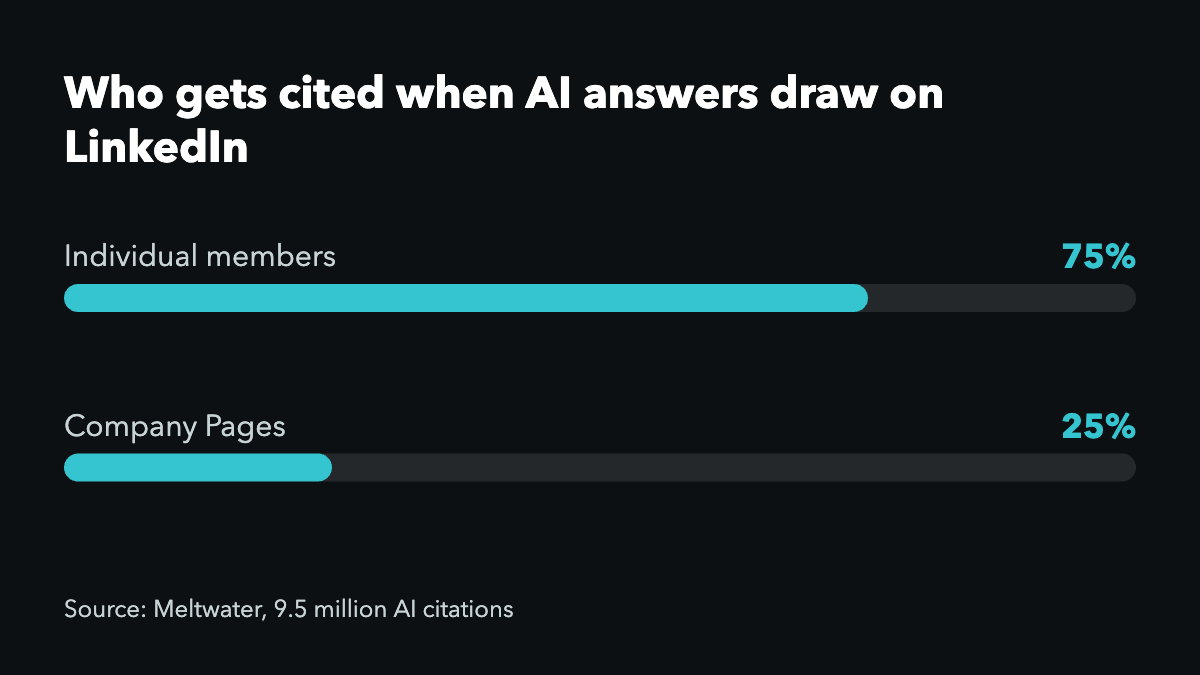
The Head of Sales, Chief Engineer, and CTO should not all have the exact same opinion on that new Customer Service initiative you just started. Roping in personal experiences tied to an employee’s role within the org performs much better at scale and builds long term trust. Meltwater analyzed 9.5 million AI citations and found 75% of LinkedIn citations came from content posted by individual members, while 25% came from Company Pages.
What most companies do instead
Most companies have an announcement and ask their employees to share it. Then one of three things happens. Nobody shares it, because they don’t have the right kind of guidance on how to post company content. Or they don’t make the time for it. Or they’re given a generic script, and every employee posts the same thing.
I've been asked to post company news plenty of times, and the honest problem is that I often just don't care about it. So I copy and paste the script, and it comes off as inauthentic, like an ad, and it's obvious I didn't put any time into it. When a post is that clearly scripted, people scroll past it or get annoyed by it, because they want real insights from people, not AI slop. If someone had done the work ahead of time to get me interested in the news and helped me customize my message while still following brand guidelines, I think I would have gotten way more engagement.
I would rather have 10 employees post individualized, thoughtful messages about a company announcement than 100 employees copy pasting the same thing. Meltwater’s study points the same way: 72% of the LinkedIn content cited by AI was original, not reshared.
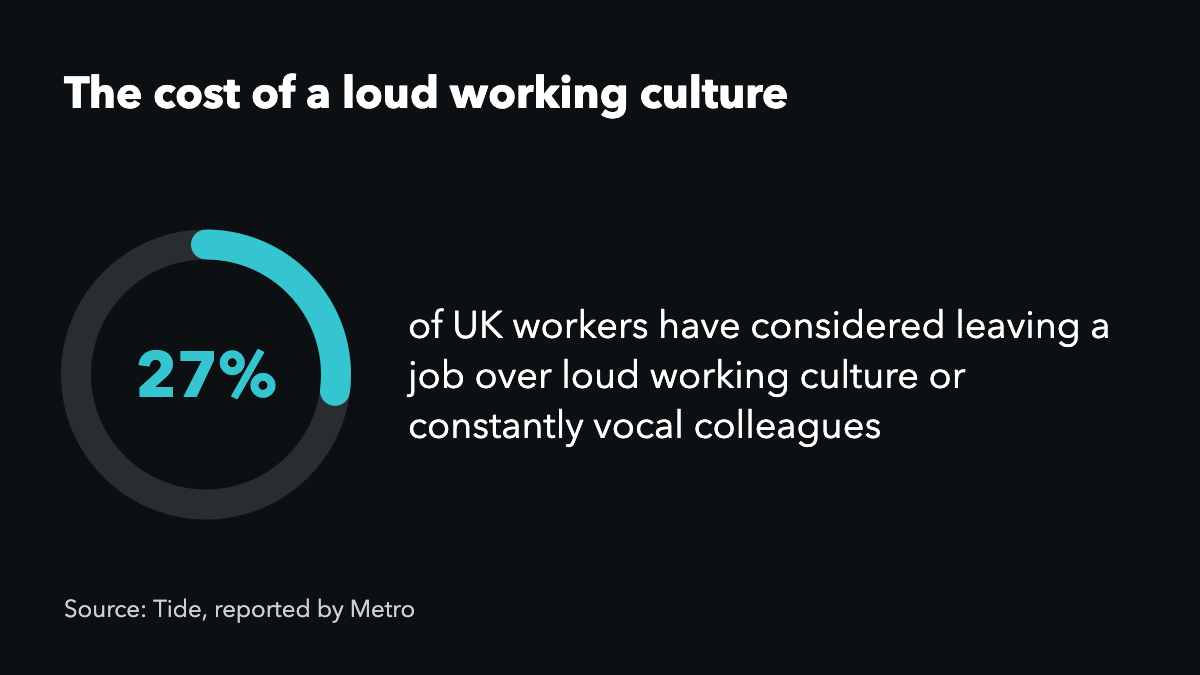
Someone in comms sends a post to the whole company and asks everyone to share it by Friday. Metro ran a piece on what people are calling “loud working,” the pressure to keep your wins visible on LinkedIn, in Slack, and in meetings. Research from Tide found 27% of UK workers have considered leaving a job because of a loud working culture or colleagues who are constantly vocal about their own work. VICE reported that workers spend an average of 2.8 hours a week making sure their efforts get noticed, about 131 hours a year, and that nearly one in 10 said they’d already quit over it. Career coach Hannah Salton told Metro that sharing wins online “works best when the individual wants to do it and it feels real.” She also said being asked to post on cue can be frustrating, especially for people who are private or simply not interested in building a public profile. I agree with her. People trust a person over a logo. The problem is treating employees like a distribution list.
The number that makes it worse
Marketing teams like share numbers because they’re easy to report. X employees shared X posts and they had X reach, so this is our ROI. Go further down and ask how many of those posts led to more customers, more visibility or employee engagement. That’s what tells you if something was a success.
Look at company blogs. Everything comes from the company account, or from people hired just to write content. Senior leaders have people working for them posting things on social media. You never really see it going all the way to the employees. Meltwater also found that 48% of the LinkedIn content cited by AI was published in the previous three months. A company account can’t carry that alone. It takes people who keep having something to say.
There's a real tension in fixing that. The more you ask people to take time with their posts, the less likely they are to do it, and thoughtfulness can't be assigned by Friday. Nobody should be graded on how often they post. What a company can do is everything in its power to help get its employees' messages out there. Repost their posts on the company's social media accounts, and like, share and comment on them. Anything that shows employees you recognize they're sharing company news will help them feel special and make them want to keep doing it.
Where AI helps, and where it crosses the line
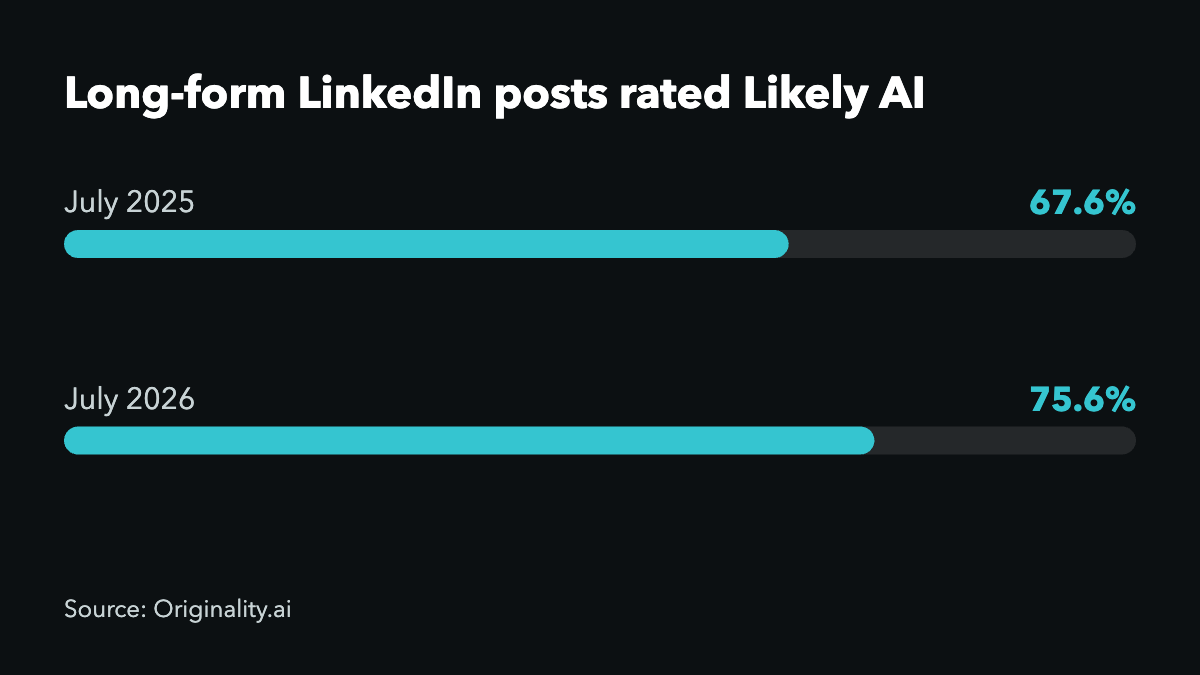
AI makes the slop worse unless you have the proper guardrails in place. Don’t just write content for employees. Make it easy for them to add their own personal insights. Sometimes when I read content, I just know in my mind if it feels AI or not. Originality.ai analyzed 123 long-form LinkedIn posts from July 2026 and rated 93 of them, or 75.6%, Likely AI. A year earlier it was 67.6%.
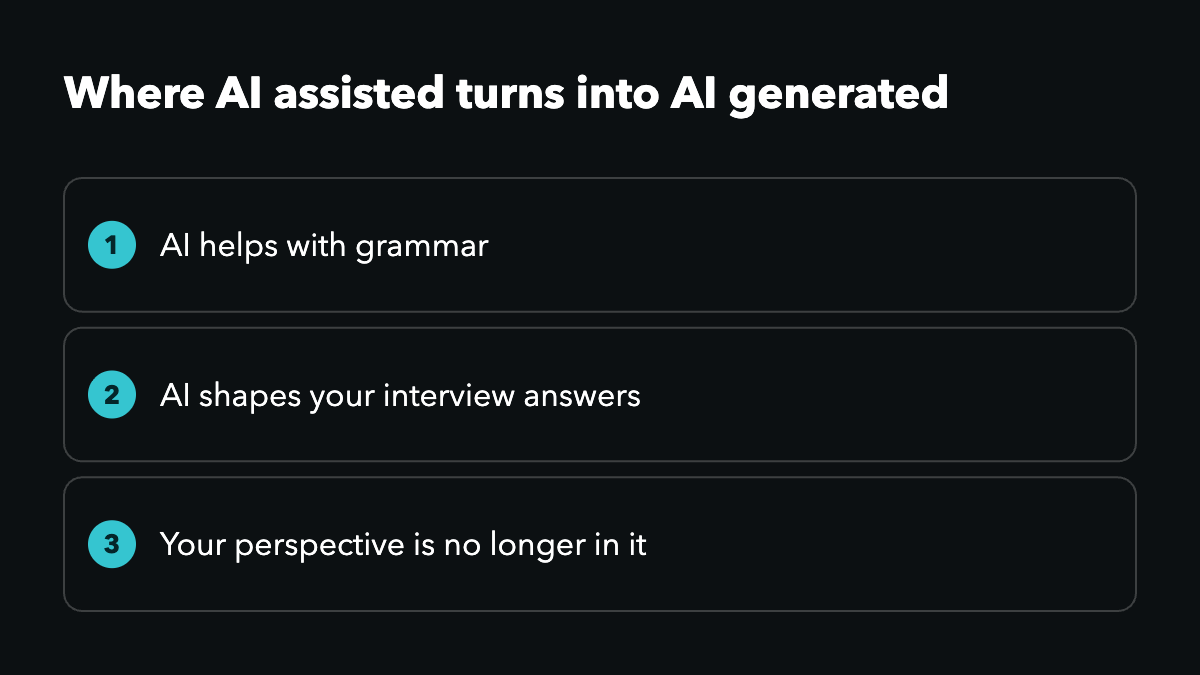
If I write something and have AI help me with grammar, that’s AI assisted. If I answer interview questions and AI crafts my answers into an article, it’s still my point of view, so that’s AI assisted too. Part of that line is hard to calculate. When your own perspective is no longer in the piece, it’s AI generated. Research in The Leadership Quarterly shows what’s at stake inside a company: employees who did the work themselves had a 68% chance of earning their supervisors’ trust, against 24% when they used AI. When organizations explicitly encouraged AI use, that penalty was substantially reduced. Organizations should help on the assistance part and never cross into the other.
Before anything goes out, it has to match brand guidelines and the tone of voice the company wants, down to any specific wording. It has to carry the person’s own point of view. Any research it cites has to be fact checked, and any imagery has to meet the same guardrails. It’s a hard sell for enterprises, for sure. You have to convince them the content is built off their own employees, and you have to promise the quality will stay up to standard for the brand. The minute the quality is subpar, the whole idea breaks down.
Of those, the one that gets violated most is the unique perspective. Everybody’s trying to fast forward through it by having AI just write the content. Adding an individual opinion is harder. It’s also the most important thing.
What I’d tell a CMO
If you’re about to roll out an advocacy program, give your employees the tools to create content that’s individualized to them without deviating from the brand. And care way more about one employee’s opinion than a generic share.
The posts that work come from someone who actually has something to say about their job. The company’s job is to make that easy and safe, then get out of the way.
Frequently asked questions
What does good employee advocacy look like?
Employees post their own viewpoint about the company, and nobody has to micromanage them into it. They work with autonomy, and with enough guardrails that when they do post, they’re representing their brand in the right light. The best posts connect a personal experience to company news.
Why does copy-paste employee advocacy fail?
When a post is clearly scripted, it comes off as inauthentic, and people scroll past it because they want real insights. I would rather have 10 employees post individualized, thoughtful messages about a company announcement than 100 employees copy pasting the same thing.
How should a company measure employee advocacy?
Go past the vanity metrics. Share counts and reach are easy to report, but they don’t tell you whether a program worked. Ask how many of those posts led to the action you wanted, whether that’s more customers, more visibility or employee engagement.
What is the difference between AI assisted and AI generated content?
If AI helps with grammar, or helps craft my interview answers into an article, it’s still taking my point of view, so I’d call that AI assisted. When your own individual perspective is no longer in the piece, that’s when it becomes AI generated.
What should a CMO focus on when launching an employee advocacy program?
Focus on quality and individuality over quantity. Give employees the tools to create content that’s individualized to them without deviating from the brand, and care way more about an individual employee’s opinion than a generic share.
AJ Agrawal is the co-founder of OnBrand, which helps companies with employee led answer engine optimization. Read more about OnBrand.