
The short answer: Enterprise deals close when it is safe for someone inside the buyer to say yes. Strong technology gets you the meeting, but the deal turns on two things: your champion has to look smart for backing you, and security and legal have to clear you without a fight. Prepare for both as seriously as you prepare the demo, aim for the most senior champion you can reach, and always set the next step.
Read the transcript
I think that we have to make sure that we're talking to senior leaders and making sure that they are champions. We have to ensure that we're constantly following up. Every meeting needs to end with next steps, and you really need to make sure that you are driving the deal forward. Give them a reason to follow up, walk them through the process, and really to close an enterprise deal, you need multiple people, sometimes nine or ten, to back you.
Before a big enterprise meeting, a lot of my prep went into building the demo. Honestly, though, what mattered most was the work done before the first meeting. If I got an introduction and knew roughly what the customer wanted, I tailored a specific demo to that. If I was going in cold with no real idea what they needed, I treated the first call as discovery and barely focused on the demo at all.
In those situations you want the enterprise client to feel like you are building the solution together. That starts with asking what their pain points are, then asking really good follow up questions. If this is your pain point, is this how you're thinking about it? Even when I present a solution, I don't say here's what it takes to fix this. I say here's what I think the solution could be. What do you think? Then I listen, and if they describe the solution they want, I explain how we make it a reality. The goal is to talk less than the potential client.
Great tech earns the meeting. Making it safe for someone to say yes is what closes the deal. Databricks cofounder Arsalan Tavakoli-Shiraji said at TechCrunch Disrupt that a critical mistake most young startups make is assuming the tech will sell itself, and that early deals fizzled because his team wasn't ready for legal, contract and security questions. Polishing the demo feels like progress. Paperwork doesn't.
Aim for the most senior champion you can reach
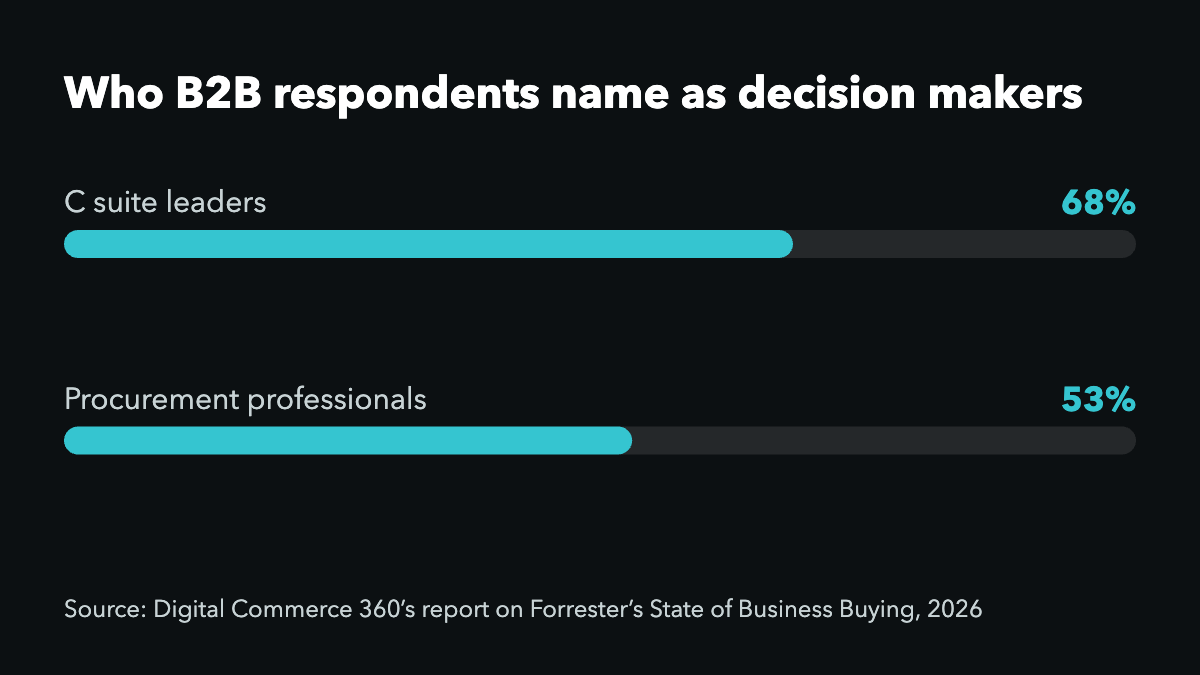
You need so many champions in an enterprise deal, because there are so many places it can break down. According to Digital Commerce 360’s report on Forrester’s State of Business Buying, 2026, an average of 13 internal stakeholders and nine external participants influence a B2B purchase decision, and 68% of respondents identified C suite leaders as decision makers while 53% identified procurement professionals.
The champions who move mountains for me are senior: the CMO, the head of digital. Someone high up can approve a budget very quickly. The lower someone is, the less likely they are to stick their neck out, the less pull they have through procurement and security, and the more hurdles they face on budget. You are also pitching them so they can pitch their boss, which means you often have no direct path to the decision maker.
Many founders assume senior leaders are the most risk averse. I strongly disagree. You don't usually reach those positions without taking a risk, and many are entrepreneurial minded, so they appreciate a founder showing real effort. Middle managers are the most risk averse, because they are scared to go to their boss and feel their neck is on the line. That fear is common: LinkedIn’s Buyability research with Bain found 40% of deals stall because the buying group can't agree, and it points to the fear of messing up as the cause.
Senior leaders also have the highest bar. When I reached Fortune 500 executives through cold outreach, I sent each one a custom report before we ever met. I would research the company first: what it did, what its branding looked like and how visible it was. Then the report laid out where they stood now, the opportunities I saw for them and how we could help, and I came in with a demo already built for them. With AI outreach everywhere, that level of personalization matters more than ever.
Everyone on the chain holds a veto
We once had a senior leader who was really interested in what we were doing. He referred us to a direct report who was given full autonomy to build a solution with us, and after a really good meeting, the direct report stopped responding. You don't want to go over his head because that makes him look bad, yet if he doesn't want the deal to happen, he has the power to prevent it. So we kept working with the direct report, touched base with our senior champion once in a while, and stayed patient through a long sales process. We eventually did get that deal, and it happened by staying consistent with check ins and staying in the fight.
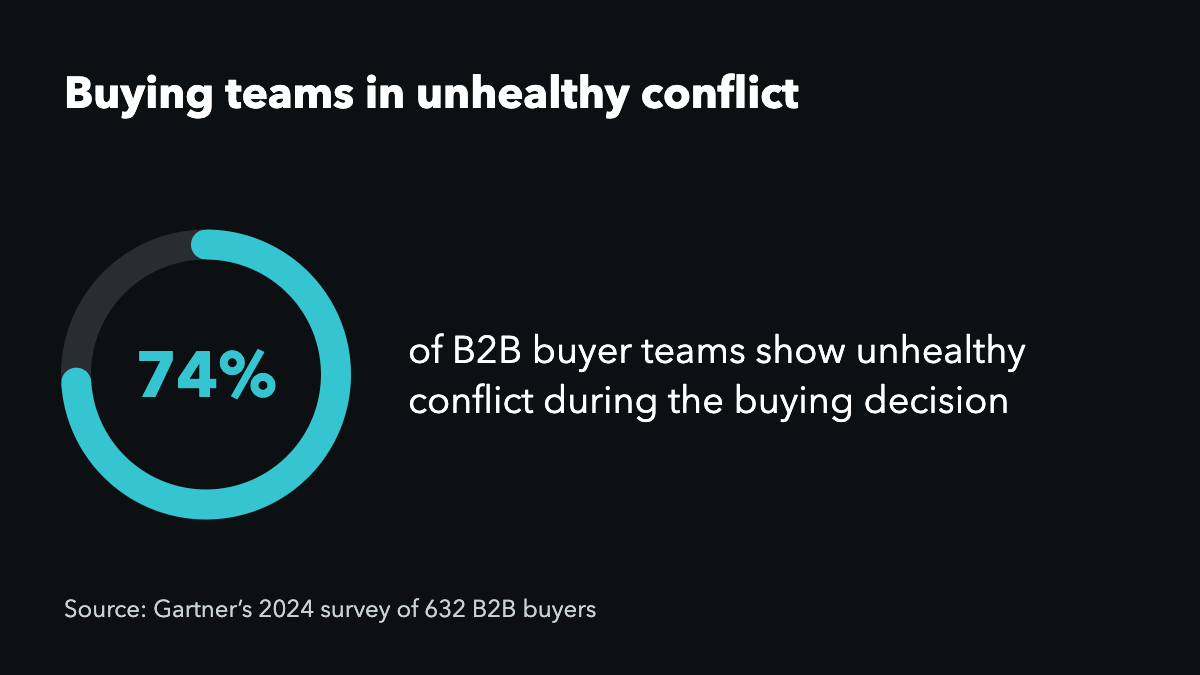
So you have to make sure everybody in the chain is happy with you and on your side. Buying groups rarely start that way. Gartner’s 2024 survey of 632 B2B buyers found that 74% of B2B buyer teams demonstrate unhealthy conflict during the buying decision process, and that groups reaching consensus are 2.5 times more likely to report a high quality deal.
Be the driver and always set the next step
Enterprise buyers have so much going on that you have to be the driving force. That means following up consistently, and not just being annoying: offer new information, or say you'll be in their city and want to meet. After every call I send next steps in writing, then try to follow up with a call.
My most expensive mistake was sending pricing to a senior leader without asking for a date to go through it together. Six weeks went by. When I finally followed up, the deal started moving again. Now I end every meeting by asking for a placeholder call within two weeks, even a simple check in, so the deal keeps moving and I stay in their memory. The first steps I offer are small too: can we get to a demo, then after the demo can we discuss pricing. There is always a next item.
Clear security and legal fast
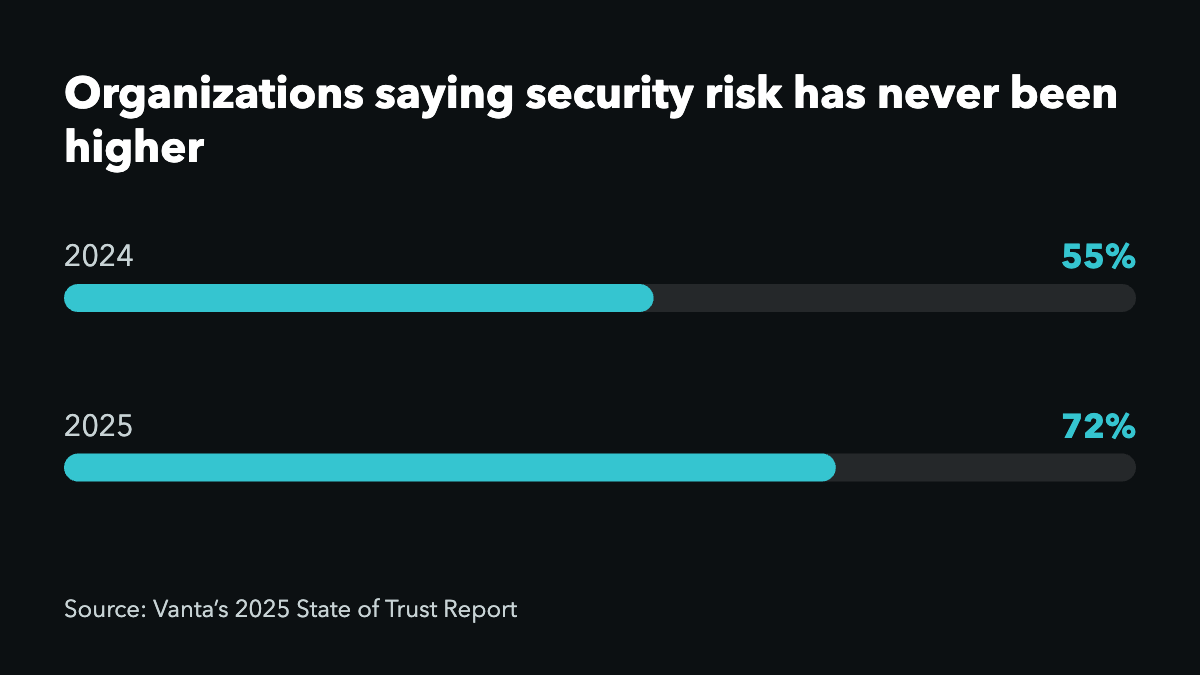
Getting introduced to procurement, where security and legal review starts, is the tough part, because it takes several people sticking their neck out. Once our deals reach that stage, it has been logistics. It still deserves prep. Respondents to Vanta’s 2025 State of Trust Report said they spend 9 working weeks per year on vendor security reviews, and 72% of organizations said security risks have never been higher, up from 55% in 2024.
If security flags something in my stack, I ask to start on a solution with them immediately, because security can drag out. Every item cleared is one less reason to stall. On contracts, a startup has to be choosy about what it fights, because you don't have leverage.
If a founder has a meeting next week and spent all her prep on the product, I'd tell her to focus on the questions more than the solution. The product gets you in the room, and the questions show you what it will take to make it safe for everyone there to say yes.
Frequently asked questions
What actually closes an enterprise deal?
Making it safe for someone to say yes. Great technology earns the meeting, but the deal closes when your champion looks smart for backing you and security and legal can clear you without a fight. Both deserve as much preparation as the product itself.
Should I demo on a cold first call?
If you don't know what the customer wants, treat the first call as discovery instead. Ask about their pain points, ask strong follow up questions, and offer ideas as possibilities rather than fixes. The aim is for the client to feel you are building the solution together, and to talk less than they do.
Are senior executives too risk averse to back a startup?
In my experience it's the opposite. Senior leaders usually got there by taking risks and many are entrepreneurial minded, so they respect founder effort and can approve budget quickly. Middle managers tend to be the most risk averse because they have to take your idea to their boss and feel their reputation is exposed.
How do I stop an enterprise deal from going quiet?
End every meeting by asking for a placeholder call within about two weeks, even a simple check in. I once sent pricing without setting a date and lost six weeks. Follow up consistently with new information, send next steps in writing, and always give the buyer a next item.
How should I handle security review findings?
When security flags something, ask to start working on a solution together immediately. Security reviews can drag out, and every item you clear removes another reason for the deal to stall. On contract terms, a startup should be choosy about which battles it fights.
AJ Agrawal is the cofounder of OnBrand, which helps companies with employee led answer engine optimization. Read more about OnBrand.